
Welcome to the team.








There’s a few things we need to take care of before we get to building:
Introductions
The mission
How we work
Subassemblies
Sign-ups and planning
Us first, then you.

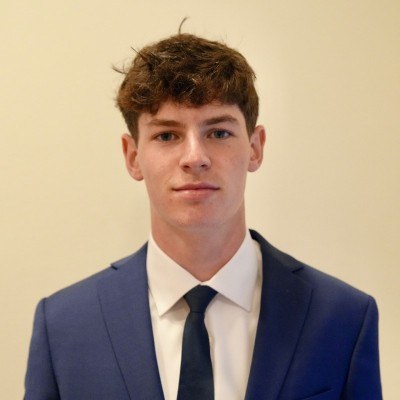
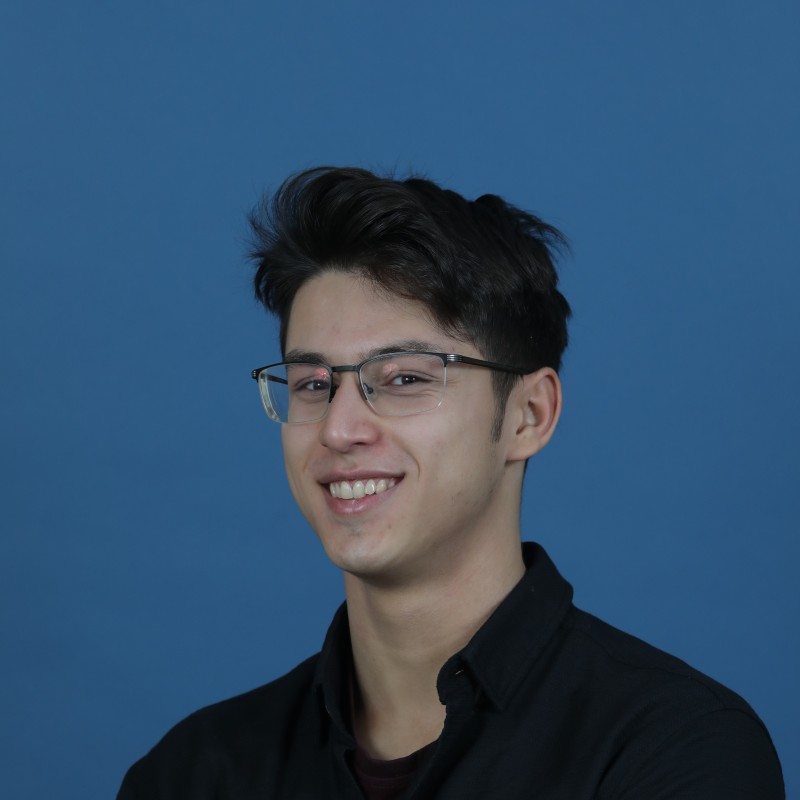
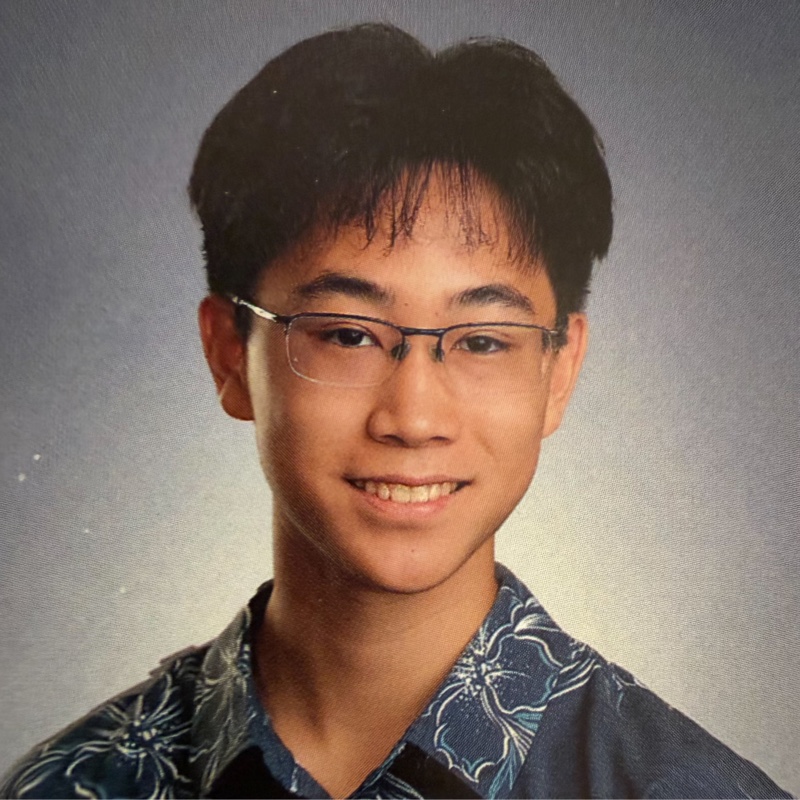
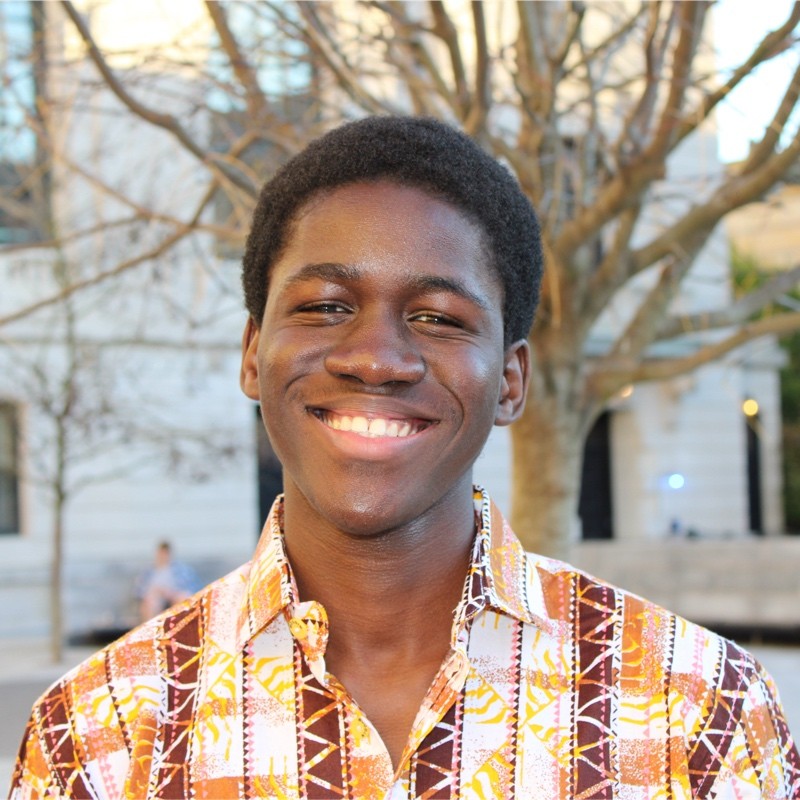
Now you.
Ann Song
Kaitlyn Zhang
Aadi Nair
Lucas Castillo Degracia
Michael Xu
Michelle Liu
Powell Munro Holzner
Richard Shan
Brier Hehmeyer
Marcus Wong
Alex Berman
Angela Zhao
Wolfgang Mannix
James Lu
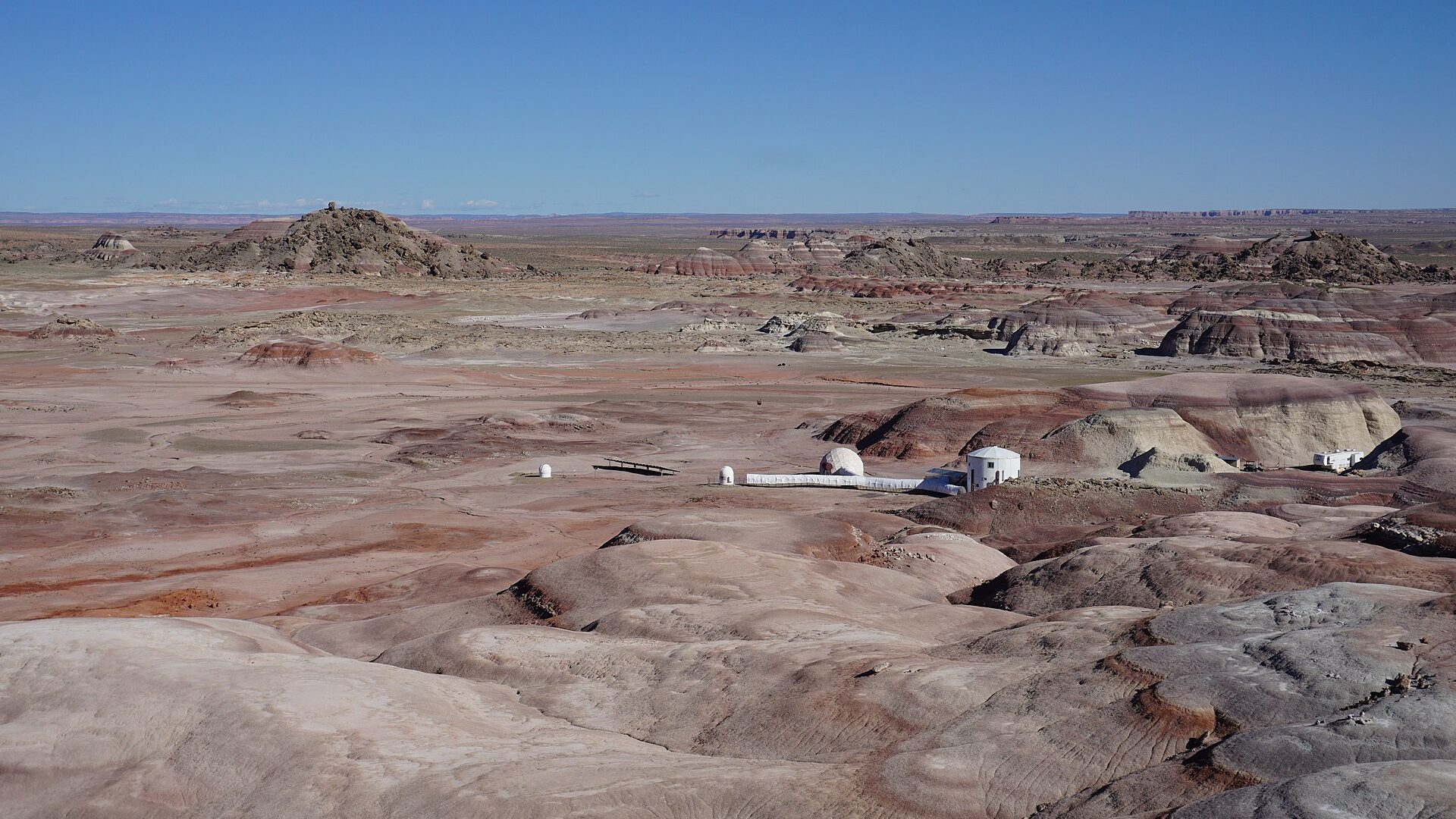
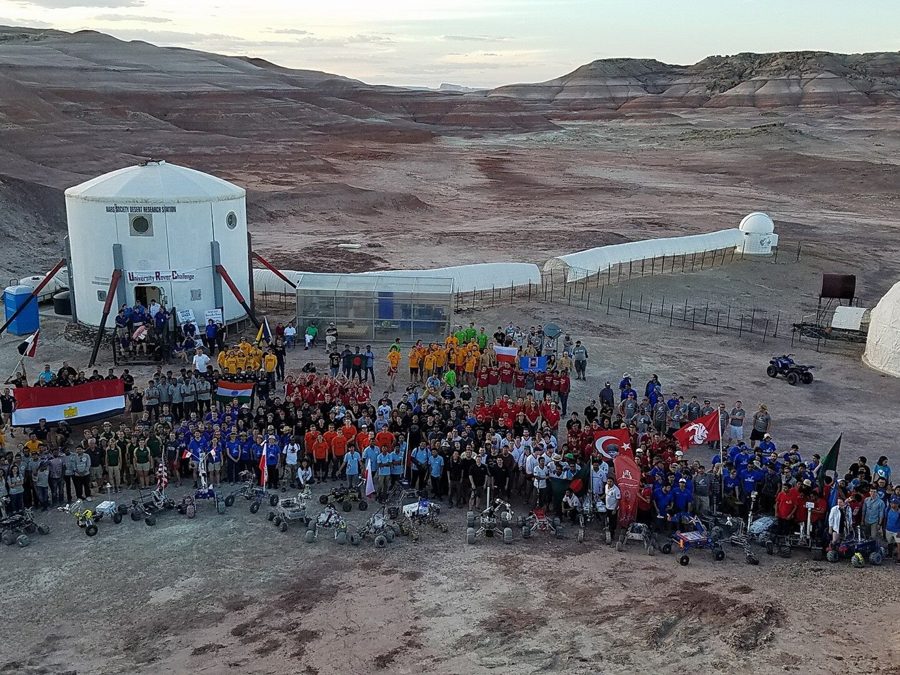
University Rover Challenge 2027.
Science
Drive to sites the judges pick, collect soil and rock samples, run life-detection chemistry on them onboard in the field, then defend the findings to a panel of scientists.
Delivery
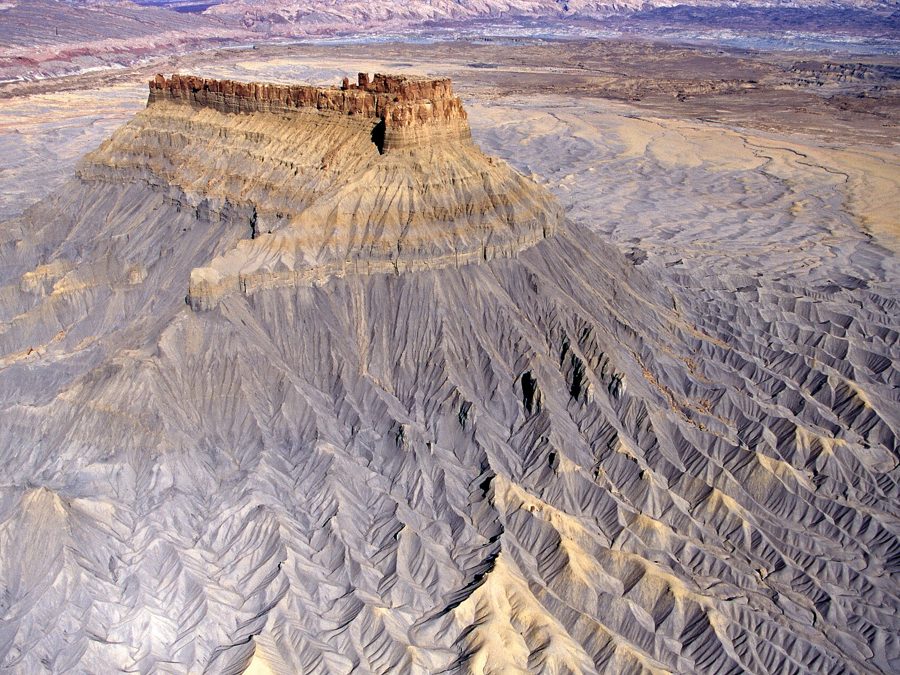
About a kilometer of rough desert: find objects and “astronauts” from GNSS coordinates and visual cues, picking up and delivering items along the way. Teleoperated over our own radio link, no Wi-Fi.
Equipment servicing
Fine-motor work in the middle of the desert: plug in a USB cable, type on a keyboard, turn screws, and more, all with the arm.
Autonomous navigation
The rover is sent to a series of GNSS coordinates and visual markers and has to find its own way, avoid obstacles, and signal each arrival on its own.
From today to the desert.
Team formed
Subteams pick their subassemblies. Radio and arm prototyping begin immediately.
Working prototype
Chassis and arm on the ground together. Link tested at range. First integrated drives.
Competition build
Machined parts, autonomy, science module. Demo day for the Yale community in December. The rover that goes to Utah takes shape.
Drills and the SAR
Fully built by early February. Then nothing but testing, drills, and recording. System Acceptance Review submitted late February.
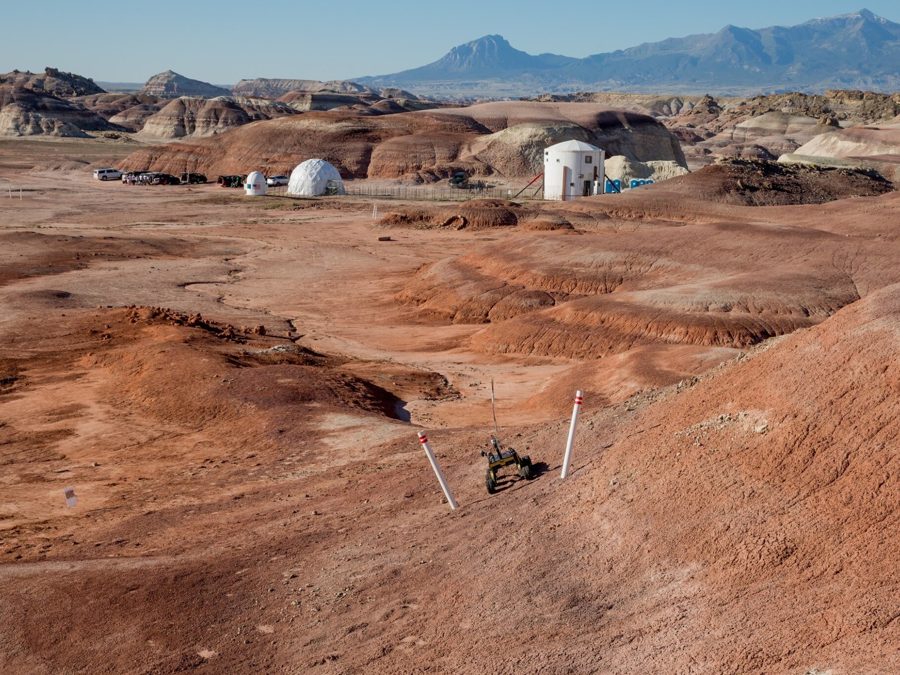
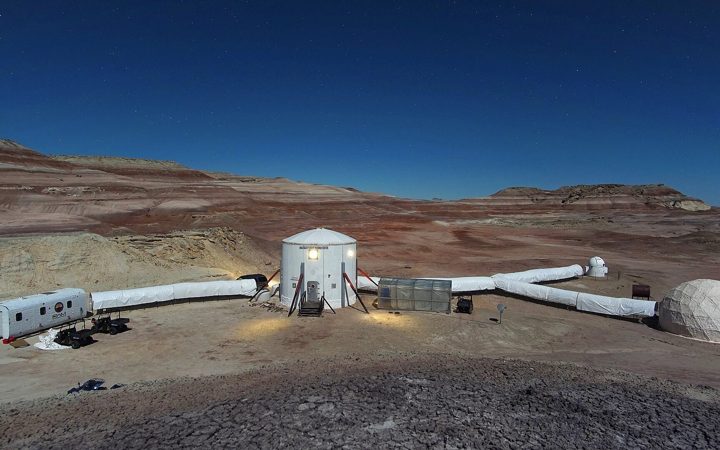
Hanksville, Utah
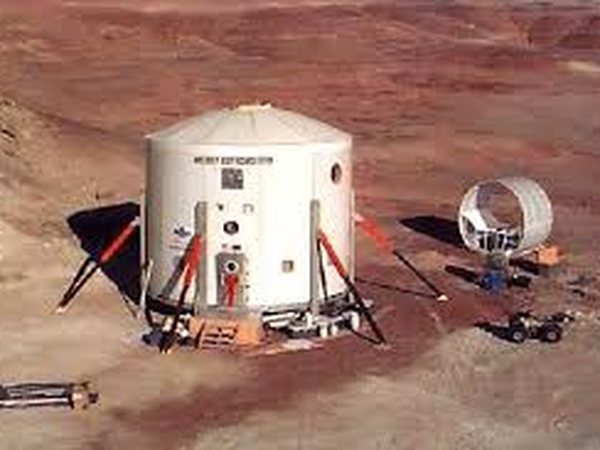
Mars Desert Research Station. The trip is all paid for.
Build sessions, not meetings.
Standup, 2 PM, CEID Lecture Hall
- Ground floor, 20 to 30 minutes, every week through May.
- The only time all ~20 of us are in one room.
- Each subteam says what moved, what’s blocked, and what it needs from the others.
Build sessions in your subteam
- Short and focused, as often as your piece needs.
- Show up, make progress, leave.
- Print it fast, then waterjet and machine it in-house.
Build logs
- Each subteam keeps a short log: what got done, what’s next, what’s blocked.
- So everyone can see the whole rover without a meeting.
Expectations.
Saturday, 2 PM, every week
Through May. Can’t make one? Tell us before, not after.
The number you gave us
The hours on your application, every week.
Your name on a subassembly
Research, design, build, test, integrate. Start to finish.
Same day
To your subteam or to any of us. Everyone gets stuck; we just need to hear about it.
Print it tonight
A rough version we can hold beats a perfect one on a slide.
Integrate constantly
Know what the subteams next to you are doing. Agree on interfaces early.
And in return, the good stuff.
Cursor and credits
Free Cursor for the whole team, plus SpaceXAI credits to build with.
The real stack
Onshape, Altium, Siemens, and our GitHub org.
Funded for the year
SEAS, SpaceX, alumni, CT Space, and last year’s carry-over. Waterjet and machining in-house.
The trip is paid for
Four days at the Mars Desert Research Station in late May.
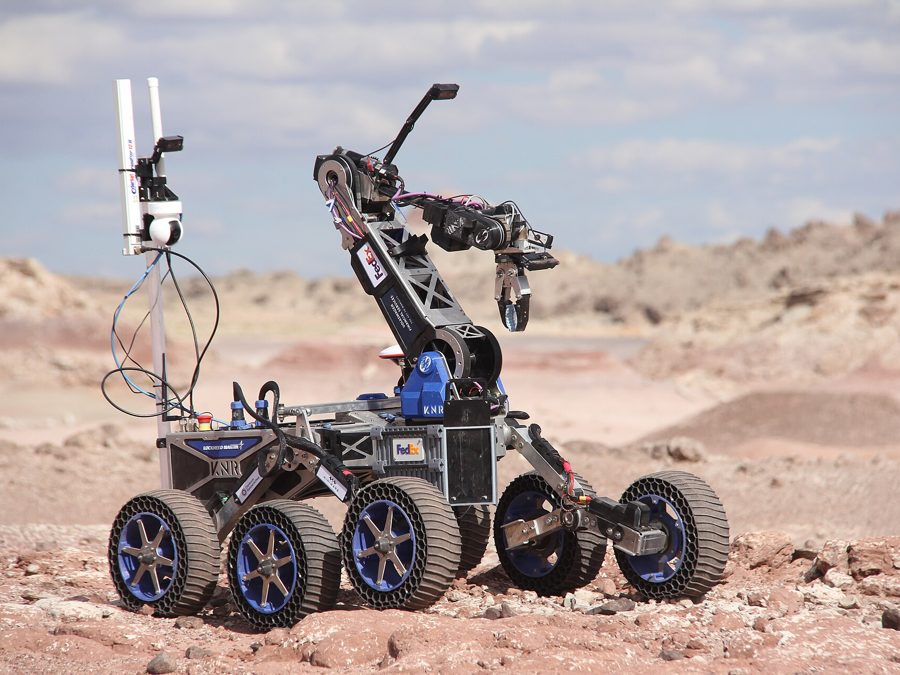
Four build groups. One rover.
The body and the arm
- Chassis
- Suspension
- Drivetrain
- The arm
- End effector
- Sample-handling mechanisms
The life-detection mission
- Pumps and fluid handling
- Sample storage
- Sample analysis (spectrometry and the like)
- The science defense
Power and boards
- Power distribution
- PCBs
- Motor drivers
- Sensors
Brains and radio
- Autonomy and machine learning
- Computer vision
- ROS
- Comms, networking, signals
Mechanical. The body and the arm.
Smaller. Lighter. Together.
Designed alongside the arm. Print it fast, then waterjet and machine it in-house.
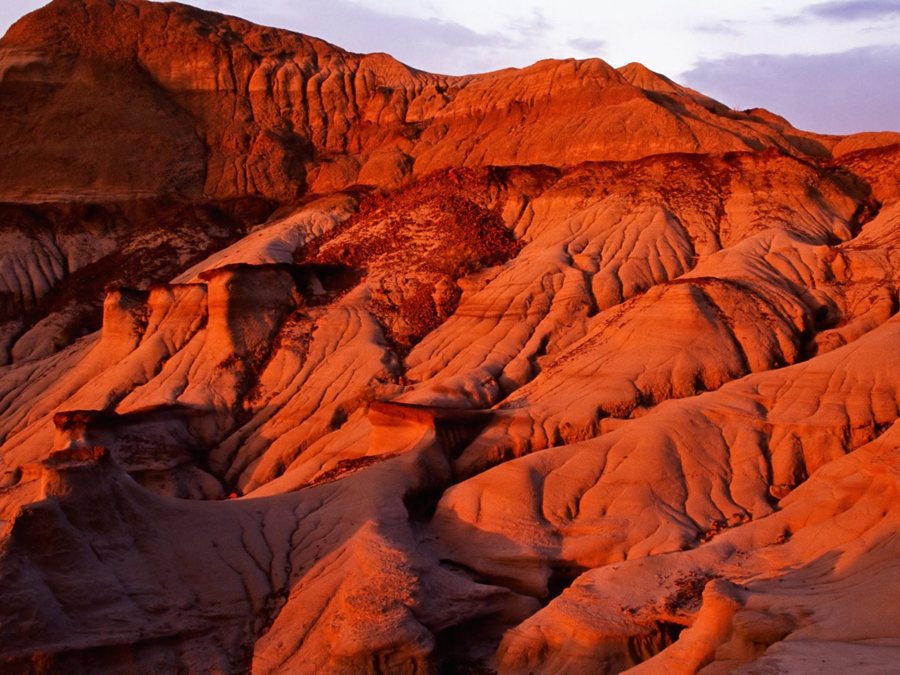
A kilometer of badland rock
Every wheel on the ground and the cameras steady over rough terrain.
Wheels, motors, gearing
Torque for the climbs, range for the delivery mission.
5 degrees of freedom
Linear rail for reach, base motor and coaxial linkage for extension, roll and pitch at the wrist. 5 kg payload.
The Swiss-Army hand
Keyboard bit, USB plug, hex bit, and a gripper that holds with zero current.
Ground to module, intact
Gets soil and rock from the ground into the science module without contaminating it.
Science. The life-detection mission.
Reagents on wheels
Moving reagents and samples around a rover that is driving over rocks.
Sealed and labeled
Every sample sealed and tracked from the ground to the analysis.
Chemistry in the field
Life-detection assays onboard, spectrometry and the like.
In front of scientists
The findings, the method, and the reasoning, presented to a panel.
Electronics. Power and boards.
One battery, many mouths
Motors, compute, radio, and the science module, without browning anything out.
Custom boards
Power, motor driver, sensor, and telemetry boards in Altium or KiCad.
Drive and arm
Current sensing and protection built in, so a stall does not end the run.
Everything the rover feels
IMU, GNSS, encoders, cameras, and the science instruments.
Compute. Brains and radio.
Find its own way
GNSS coordinates and visual markers, obstacles avoided, arrival signaled, all on its own.
OpenCV and AprilTags
Finding the keyboard and the USB port for the arm, and the markers autonomy is scored on.
The software backbone
ROS nodes, the compute stack, and the buses to the motors and back.
The 1 km link
5 GHz line of sight, a low-frequency backup, and relays the rover can drop.
Pick your piece. Two if you want.
Mechanical
Science
Electronics
Compute
Before you leave today.
Find each other
Swap numbers and pick a first task.
Pick your build slot
Each subteam sets its weekday time. We’ll send a link to put in your availability.
GitHub, Onshape, Cursor
Send us your GitHub handle if you haven’t, and we add you to the org.
2 PM, CEID Lecture Hall
Every subteam comes with something to show.
Let’s build something meaningful together
and lifelong friends.